


How to get your best sleep

Written by Johanna Orca-Handyside, PA-C
Sleep looks different for everyone.
Some people drift off the moment their heads hit the pillow, while others struggle to fall or stay asleep. No matter where you fall on the spectrum, a few simple habits can improve your sleep!
Brush up on sleep hygiene:
Sleep hygiene involves the behaviors, habits and environment you create to achieve high-quality sleep. Healthy sleep hygiene encourages a comfortable, inviting and calming sleep environment.
- Make sure your sleep space is dark.
- Consider soft, soothing music or white noise to help lull you to sleep.
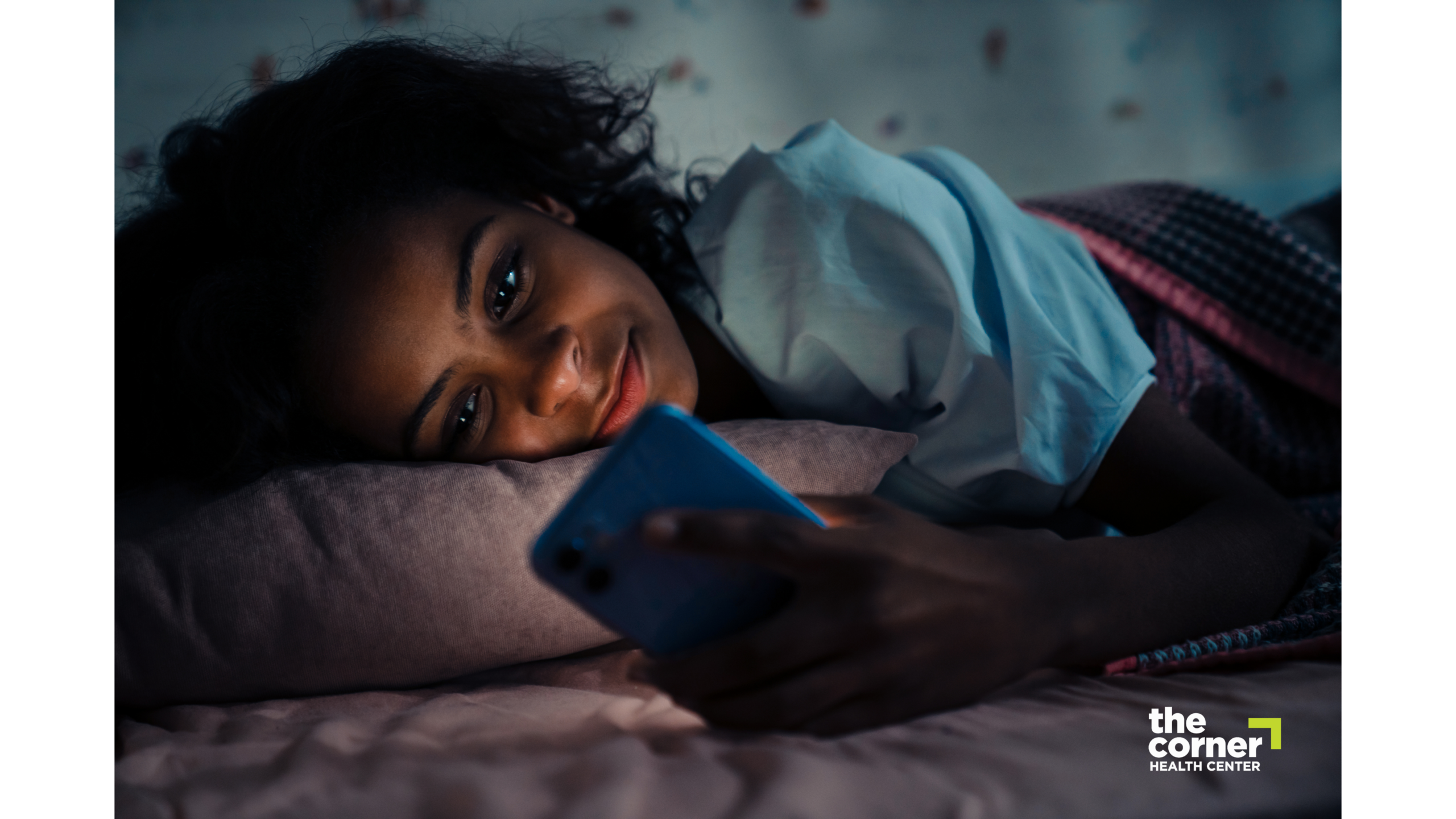
- Avoid all screens 60 minutes before bedtime. Watching a show or scrolling may feel relaxing, however, this can stimulate your brain and make sleep more difficult.
- Limit caffeine at least 12 hours before bed. Check the labels on your drinks to make sure hidden caffeine isn’t impairing your sleep.
Consider other factors
- Substance misuse including drugs and alcohol can cause poor sleep quality. If you struggle with substance misuse or abuse, contact your primary care provider or call the confidential National Substance Abuse Hotline 1-800-662-HELP (4357) for help.
- Anxiety, depression, ADD or ADHD, and certain prescription medications can also affect sleep. Talk to your parents or reach out to your health care provider if you have concerns about your medications or feel like you are struggling with anxiety, depression, or attention disorders.
- Snoring, mouth breathing, and waking up gasping for air can all be signs of sleep apnea. A sleep study or further evaluation from your health care provider can help determine if this is impacting your sleep.
- Being physically active during the day can help improve your sleep. Aim for 60 minutes of physical activity every day.
Changing your sleep habits
This may seem like a big undertaking, but it can be easy in a few small steps and with the help of family or friends:
- Set a Do Not Disturb timer on your phone and let your friends know that you will not be checking your phone after a certain time each night.
- Put your phone in a central location outside of your room before bed and encourage other family members to do the same.
- Encourage family members set a consistent sleep schedule so you can strengthen your sleep habits together.
It may take some time to figure out what your best sleep routine is and over time, your needs may change.
How much sleep do you actually need?
Youth aged 6-12 years old should aim for 9-12 hours of sleep. The goal for 13 to 18-year-olds is 8-10 hours.
The total amount of sleep is important, but so is the timing of your sleep.
What does this mean? Summer days often lead to going to bed and waking up late. Trying to go to bed and wake up within 1 hour of your school-year routine will keep your sleep on track and ease the sleep transition when school starts back up.
What happens if you don’t get enough sleep?
Short-term effects:
- Emotional dysregulation – you may notice this when you are more irritable, angered, or agitated after poor sleep.
- Impaired motor function – your reaction time while driving or in sports may be delayed, increasing your risk for accidents or injury.
The wonderful news? Getting consistently sufficient sleep can help reverse these effects.
Long-term effects:
- Increased risk of obesity with related risks for high blood pressure and heart disease
- Increased risk of depression and anxiety
It can be easy to overlook the importance of sleep, especially if you don’t feel that it impacts you day to day. However, over time, these unseen impacts will add up and turn into real physical and mental health issues.
Be proactive and take action to improve your sleep hygiene, your health, and the health of those around you.
The mission of the Corner Health Center is to inspire 12- to 25-year-olds (and their children) to live and sustain healthy lives by providing them with judgment-free, affordable health and wellness care and education. To stay updated on all things related to The Corner Health Center, visit www.cornerhealth.org, and follow us on Instagram, TikTok, Facebook, and LinkedIn (@CornerHealthCenter).